• Skip to main content
  • Skip to footer
Email Us: info@hmota.net
Home Modification Occupational Therapy Alliance

Home Modification Occupational Therapy Alliance

Occupational therapists that specialize in home modifications and accessible design.

Shop
  • About
  • Home Evaluations
    • Home Modification Process
    • Workers Comp, Auto & Catastrophic Claims
  • Occupational Therapists
    • Lift and ramp evaluation downloads
  • Home Owners & Fall Prevention
    • Homeowners
    • Fall Prevention for Older Adults and Caregivers
    • Fall prevention: What to do if you fall
    • Research
    • Fall Prevention for Organizations
    • Fall Prevention for Occupational Therapists
  • Home Mod Metrics for Non-Profits
    • Autism Home Mod Metrics
    • Tribal Elder Program
  • Tips and Tricks
    • Accessible Bathrooms
    • Accessible Bedrooms
    • Accessible Kitchens
    • Ratings/Review of Home Mod. Products ADA
    • Universal Accessible Design
    • Wheelchair Ramps & Lifts

What is Universal Design?

September 30, 2016 By Karen Koch

Definition by Ronald Mace: “the concept of designing all products and the built environment to be aesthetic and usable to the greatest extent possible by everyone, regardless of their age, ability, or status in life.” 

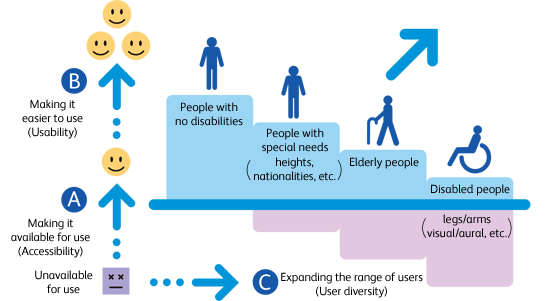
Universal design (UD) is for anyone and everyone. Look around you. Every day you see people of all ages, sizes, capabilities, and the list goes on. Universal Design is a concept that brings together comfort, awareness, understanding, social integration, wellness, personalization, cultural appropriateness, and body fit (click here for specific examples of each entity).

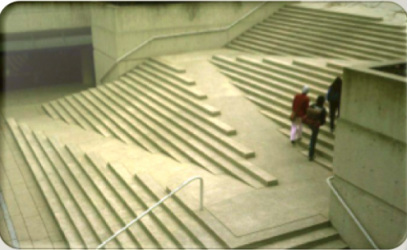
Image Retrieved from here
The intent (according to the Center for UD): to simplify life for everyone by making products, communications, and the built environment more usable by as many people as possible at little or no extra cost. UD benefits people of all ages and abilities.

Principle*

The Design

Examples for Playspaces

Equitable Use Is useful and marketable to people with diverse abilities Motion-operated automatic doors
Flexibility in Use Accommodates a wide range of individual preferences and abilities Equipment, benches, chairs, etc. of different heights and sizes
Simple and Intuitive Use Easy to understand, regardless of users experience, knowledge, language skills, or current concentration level Simple signage easy for all people to interpret
Perceptible Information Communicates necessary information effectively to the user, regardless of ambient conditions or the user’s sensory abilities Wall, floor, and sidewalk art communicates location
Tolerance for Error Minimizes hazards and the adverse consequences of accidental or unintended actions Paint splatters on the art room wall allows for children’s mistakes
Low Physical Effort Used effectively and comfortably with a minimum of fatigue Seamless transition in flooring and playground surfacing
Size and Space for Approach and Use Provides appropriate size and space for approach, reach, manipulation, and use regardless of users body size, posture, or mobility

Occupational Therapy’s purpose in Universal Design: to increase independence in our client’s, to eliminate architectural barrier’s, to explain the full benefits, and to increase public awareness. 

Examples of features: Handrails, walk-in/roll-in showers, grab bars, accessible storage, adequate lighting, easy grip controls, accessible appliances, safe flooring, and safety devices (Leto, Theresa. (2015)).
Learn more about the UD Live & Learn Conference  from UD Today which includes compelling topics, speakers, and inspiring ideas. 
Dates of the conference: May 15-17, 2017 in Charleston, West Virginia. 
Citations
What is UD? http://www.universaldesign.com/what-is-ud/
Leto, Theresa. (2015). Concepts of Accessibility and Universal Design.  (PowerPoint slides)
The Center for Universal Design (1997). The Principles of Universal Design, Version 2.0. Raleigh, NC: North Carolina State University. 

Filed Under: Uncategorized

We want to hear from you!

Have an accessible building or design project?

Contact Us

Footer

Home modification occupational therapists around the world dedicated to designing safe, functional, and aesthetically-pleasing homes.  We’d love to make your project work for you.

Email Us: info@hmota.net

HMOTA Designs  |  Lift evaluation

Privacy Policy  |  Terms & Conditions

Trusted Partners

Copyright © 2025 Home Modification Occupational Therapy Alliance (HMOTA) | Designed by Eleven Tree Media